Reviewed against published clinical literature
Short answer: some ingredients used in liver supplements have promising human research behind them, but “liver supplement” is far too broad a category to simply call effective or ineffective.
Milk thistle, NAC and artichoke have all been studied in relation to liver health. The strength of that evidence varies, and none of them turns a supplement into a treatment for liver disease.
That distinction matters.
A capsule containing 30 ingredients at tiny amounts is not equivalent to a focused formula with clearly disclosed doses. A “7-day detox” is not the same thing as daily nutritional support. And seeing the words milk thistle on the front of a bottle tells you almost nothing about how much is actually inside.
So the useful question is not simply:
Do liver supplements work?
It is:
What is this formula actually designed to do, and is there a credible reason for every ingredient and dose inside it?
First problem: “liver supplement” can mean almost anything
Walk through the supplement aisle and products that supposedly serve the same purpose can look completely different.
One might contain milk thistle by itself.
Another might combine NAC, milk thistle and artichoke.
Another might list 20 herbs, vitamins and plant extracts.
Another promises a “detox” in a week.
Grouping all of those together and asking whether “liver supplements work” is a little like asking whether skincare works. A moisturizer, prescription acne medication and scented face mask all belong to the broad skincare category, but they are not doing the same job and they do not have the same evidence behind them.
Liver supplements are similar.
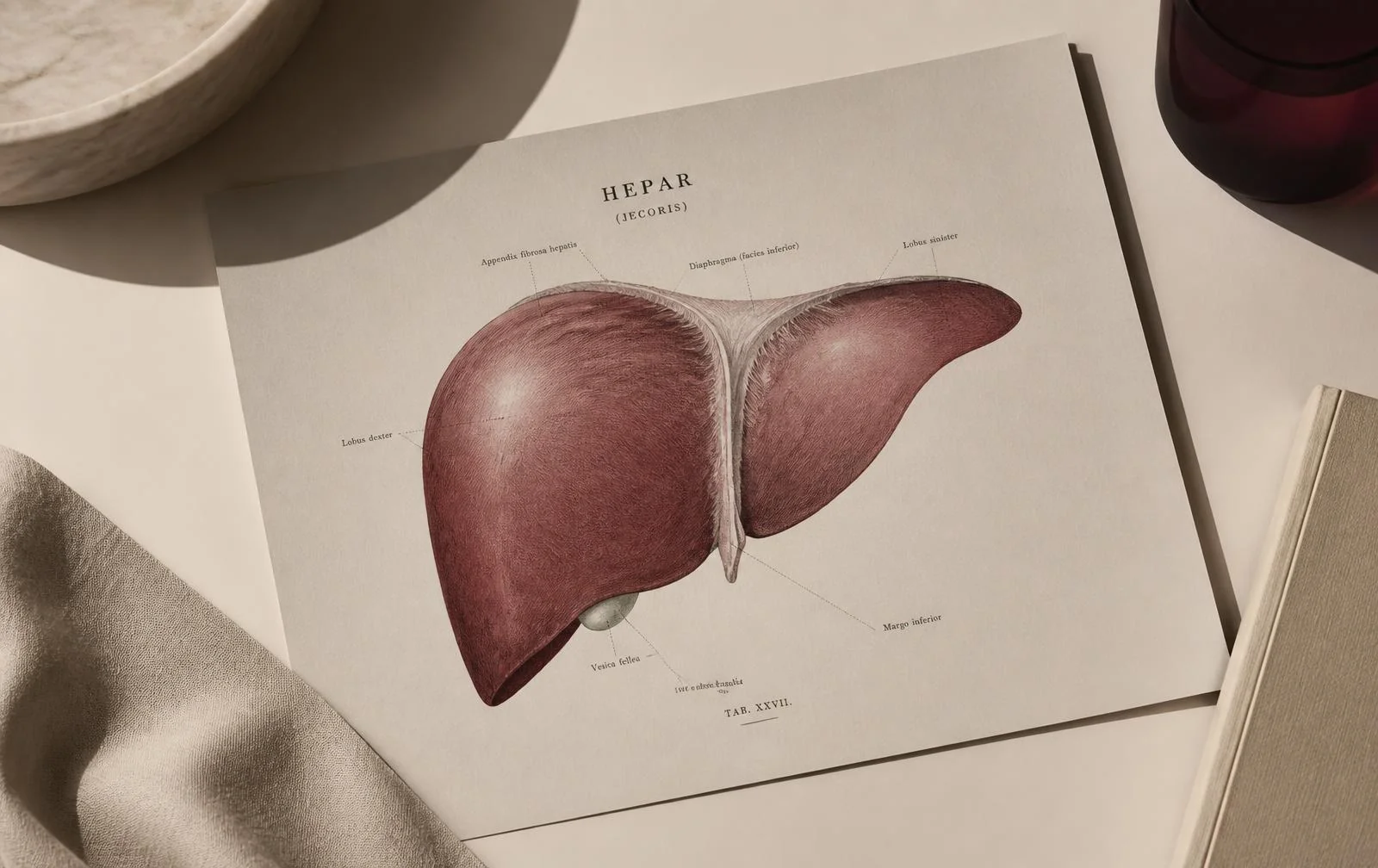
You have to look past the category name and examine the actual formula, starting with what your liver actually does and what each ingredient is meant to contribute.
Milk thistle: famous does not mean proven
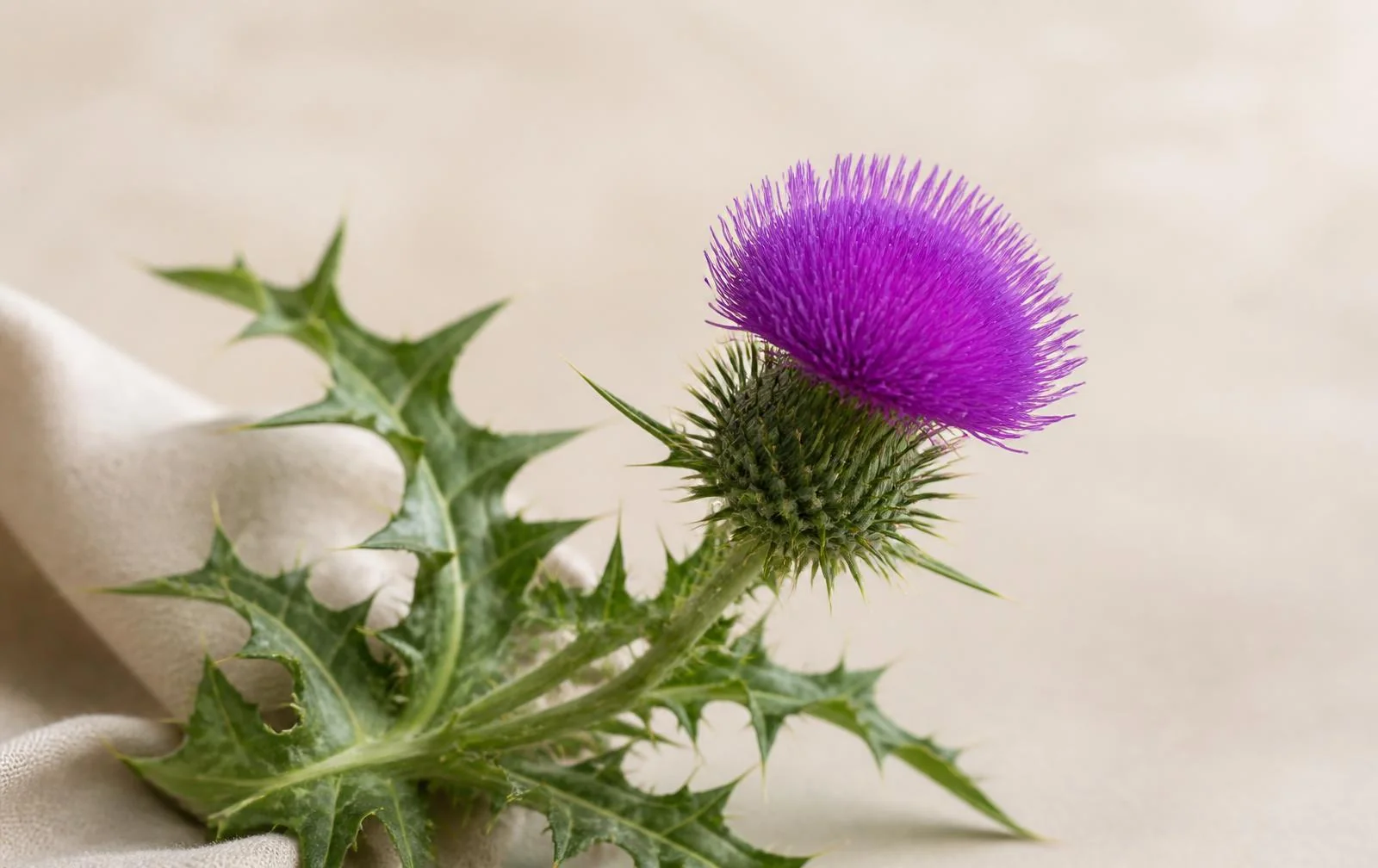
Milk thistle is probably the ingredient most closely associated with liver supplements.
Its primary group of active compounds is known as silymarin, and researchers have investigated it for decades.
There are plausible reasons for that interest. Laboratory and animal studies have explored antioxidant, anti-inflammatory and other liver-related mechanisms.
Human evidence is less straightforward.
The National Center for Complementary and Integrative Health says clinical trials involving conditions including alcohol-related liver disease, hepatitis and fatty liver disease have produced conflicting or insufficient evidence to reach firm conclusions1.
A randomized placebo-controlled trial in people with nonalcoholic steatohepatitis also failed to show meaningful improvement in liver enzymes or liver histology from high-dose silymarin2.
That does not make milk thistle useless.
It means the evidence does not justify turning one ingredient into a miracle story.
And this is exactly where supplement marketing often goes wrong.
An ingredient can have an interesting research history without being proven to treat a disease. That is the standard we use when looking at milk thistle too.
NAC: a useful molecule with a more complicated supplement story
N-acetylcysteine, usually shortened to NAC, has a very different history.
NAC supplies cysteine, an amino acid the body can use to produce glutathione, one of its major endogenous antioxidant systems.
NAC also has established medical uses. In clinical medicine, for example, it has long been used in the management of acetaminophen poisoning.
That does not mean taking an NAC supplement produces the same effect as a medical NAC protocol or automatically improves chronic liver disease.
In a 2026 randomized controlled trial involving people with metabolic dysfunction-associated steatotic liver disease, researchers tested 2,400 mg per day of NAC alongside lifestyle intervention for 12 weeks. NAC was well tolerated, but it did not significantly improve liver steatosis, fibrosis, oxidative stress or insulin resistance compared with lifestyle intervention alone3.
So why does NAC continue to be interesting?
Because the biology of cysteine and glutathione is real.
But biological relevance and proven disease treatment are not the same thing.
For a daily supplement, that means NAC should be understood as an ingredient with a legitimate physiological role and substantial research history, not as permission to claim that a capsule “repairs” your liver.
Artichoke leaf: smaller evidence base, interesting human results
Artichoke tends to receive less attention than milk thistle, but its human research is worth understanding.
A systematic review and meta-analysis looking at randomized trials in people with fatty liver included five studies and 333 participants. Across those trials, artichoke leaf extract was associated with reductions in ALT and AST, two liver enzymes commonly measured in bloodwork4.
A separate meta-analysis of randomized controlled trials also found reductions in ALT and AST following artichoke supplementation5.
Those findings are interesting. They are not the same thing as proving that artichoke prevents, reverses or treats liver disease.
The trials were relatively small, study designs differed, and changes in laboratory markers do not automatically translate into long-term clinical outcomes.
But compared with an ingredient included simply because it sounds healthy, artichoke at least gives us something more useful to work with: human trials that can be examined, challenged and compared.
A quick comparison
| Ingredient | Why researchers study it | What human research suggests | What it does NOT prove |
|---|---|---|---|
| Milk thistle / silymarin | Long research history around antioxidant and liver-related pathways | Human trials are mixed and conclusions remain uncertain | That milk thistle treats or reverses liver disease |
| NAC | Supplies cysteine used to make glutathione | Strong biological rationale and established medical applications, but chronic liver supplement trials are inconsistent | That taking daily NAC recreates medical NAC treatment or repairs liver damage |
| Artichoke leaf extract | Studied for liver enzymes, bile-related physiology and lipid metabolism | Several small randomized trials and meta-analyses report improvements in ALT and AST | That changes in enzymes equal a cure or guaranteed improvement in liver disease |
The takeaway is not that one ingredient “wins.” It is that the evidence is specific. A good formula should respect that instead of turning every promising mechanism into a miracle claim.
The amount on the label matters more than the ingredient list
This may be the most overlooked part of shopping for a supplement.
Imagine two bottles both say “contains artichoke leaf.”
One tells you exactly how many milligrams you are getting.
The other hides the ingredient inside a proprietary blend with six other compounds.
Those are not equally informative products.
Research studies test specific preparations and specific amounts. You cannot take a positive study using one dose and assume that a tiny amount sprinkled into a 20-ingredient blend will produce the same result.
That is why a long ingredient list does not impress us by itself. Sometimes it should do the opposite.
Every ingredient takes up space in a formula. If a brand adds more and more ingredients without increasing the total serving size meaningfully, it is worth asking a simple question:
How much of each ingredient am I actually getting?
This thinking shaped Olsom from the beginning.
We would rather build around a smaller group of ingredients that each have a clear reason for being there, disclose the amounts, and use human research to inform the formulation than build a crowded label designed primarily to look impressive.
That does not guarantee an outcome. It does give you something much more concrete to evaluate.
“Detox” is where the category loses the plot
Your liver already handles detoxification. It processes substances, transforms compounds and helps prepare waste products for elimination every day.
It never needed a seven-day tea to switch that function on.
That is why phrases such as “flush your liver,” “remove years of toxins” and “reset your liver in a week” should immediately make you more skeptical, not less.
The problem is not the idea of supporting normal liver function. The problem is turning that support into a dramatic cleansing event that human physiology does not require.
Daily support and detox marketing are different ideas. We built Olsom around the first one.
What liver supplements cannot do
A supplement cannot cancel out heavy drinking.
It cannot make an unhealthy diet irrelevant.
It cannot replace exercise, weight management or metabolic health.
It cannot diagnose why your ALT or AST is elevated.
And it should never be used as a substitute for medical evaluation if you have abnormal bloodwork, persistent symptoms or known liver disease. The same applies if you are taking GLP-1 medications and wondering about your liver.
That does not make supplementation pointless. It gives supplementation a realistic job.
You can improve your diet and still use a supplement. You can reduce alcohol and still choose daily liver support. You can exercise, manage your weight and pay attention to your metabolic health while also deciding that a focused liver formula belongs in your daily routine.
These things are complementary, not mutually exclusive. The mistake is expecting one capsule to replace everything else.
How hard is your liver working?
5 quick questions, no email needed. See how much your liver quietly handles for you.
In a typical week, how many alcoholic drinks do you have?
How to tell whether a liver supplement is worth considering
Forget the front of the bottle for a minute. Turn it around. Here are the questions that tell you more.
1. Can you see the amount of every active ingredient?
If important ingredients are hidden inside a proprietary blend, you have less information with which to compare the product against research. Transparency does not prove effectiveness. But without transparency, evaluating the formula becomes much harder.
2. Is there human research behind the ingredients?
Cell studies are useful for understanding mechanisms. Animal studies can tell researchers where to look next. Neither is the same as a controlled human study. Look for ingredients that have actually been investigated in people, then look at what those studies really measured.
3. Does the dose make sense?
Seeing a studied ingredient is not enough. Look at the amount. The relevant question is not simply whether an ingredient has appeared in a clinical paper. It is whether the formula has been designed with real human dosing data in mind.
4. Is the product making claims bigger than the evidence?
Be skeptical of:
- “Flushes toxins.”
- “Repairs liver damage.”
- “Reverses fatty liver.”
- “Undo years of drinking.”
- “7-day liver reset.”
The more dramatic the promise, the more evidence you should expect to see behind it.
5. Does every ingredient have a reason to be there?
Twenty ingredients can look more advanced than three. That does not make the formula better. Sometimes focus is the more difficult formulation decision.
Where Olsom fits
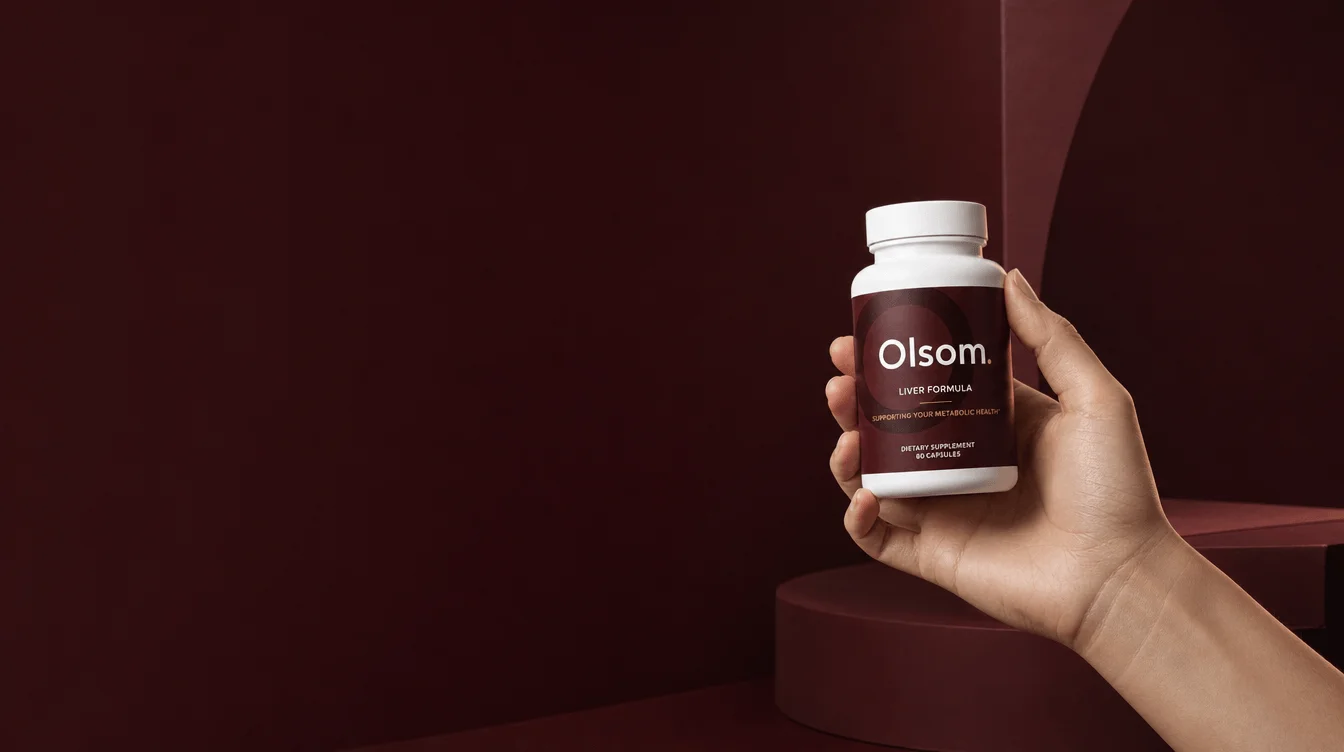
Olsom did not start with a long list of ingredients. It started with the standard set out above: a clear reason for every ingredient, a disclosed amount for every active, human research to inform the formulation, and claims that stay inside the evidence.
That is why the formula is focused on three core ingredients, NAC, milk thistle and artichoke leaf, each chosen for a different role, rather than a crowded label designed to look impressive.
It is built for daily use, as part of a routine that also includes the unglamorous basics: what you eat and drink, how you move, and regular check-ups. It is not a cleanse, not a treatment and not a cure, and we would rather say that plainly than promise a feeling you will not get.
If that is the kind of liver support you are looking for, you can see the Olsom formula ingredient by ingredient.
Frequently asked questions
Do liver supplements actually work?
It depends entirely on the formula. Some ingredients, such as milk thistle, NAC and artichoke leaf, have been studied in people with varying strength of evidence. None turns a supplement into a treatment for liver disease, and the dose and claims matter as much as the ingredient names.
What is the best supplement for liver health?
There is no single best ingredient. Look for a focused formula with the amount of every active ingredient disclosed, ingredients with human research behind them, sensible doses and claims that do not go beyond the evidence.
Do liver detox supplements work?
Your liver is already part of the body’s detoxification system and does not need a cleanse to switch it on. Claims such as “flush toxins” or “reset your liver in a week” are not supported by human physiology or clinical evidence.
Can a liver supplement replace lifestyle changes or medical care?
No. A supplement cannot cancel out heavy drinking, an unhealthy diet or inactivity, and it cannot diagnose or treat abnormal bloodwork. If you have elevated liver enzymes, symptoms or known liver disease, speak to a doctor.
Sources
- National Center for Complementary and Integrative Health, “Milk Thistle”: nccih.nih.gov
- Navarro et al., “Silymarin in non-cirrhotics with non-alcoholic steatohepatitis: a randomized, double-blind, placebo controlled trial”, PLOS One, 2019: journals.plos.org
- Ramadan et al., “Effect of high dose N-acetyl cysteine supplementation … in non-diabetic patients with MASLD: a randomized controlled trial”, BMC Gastroenterology, 2026: link.springer.com
- Kamel & Farag, “Therapeutic Potential of Artichoke in the Treatment of Fatty Liver: A Systematic Review and Meta-Analysis”, Journal of Medicinal Food, 2022: pubmed.ncbi.nlm.nih.gov
- “Effects of Artichoke Supplementation on Liver Enzymes: A Systematic Review and Meta-Analysis of Randomized Controlled Trials”, Clinical Nutrition Research, 2022: pmc.ncbi.nlm.nih.gov
Written by
The Olsom Team
Editorial, Olsom
We research and write everything published here, working only from primary clinical literature and guidance from major medical institutions. We name the limits of the evidence, including where it runs against our own product.
This article is for general education and is not medical advice. It is not intended to diagnose, treat, cure, or prevent any disease. Speak with a qualified healthcare professional about your own liver health, especially before starting any supplement.